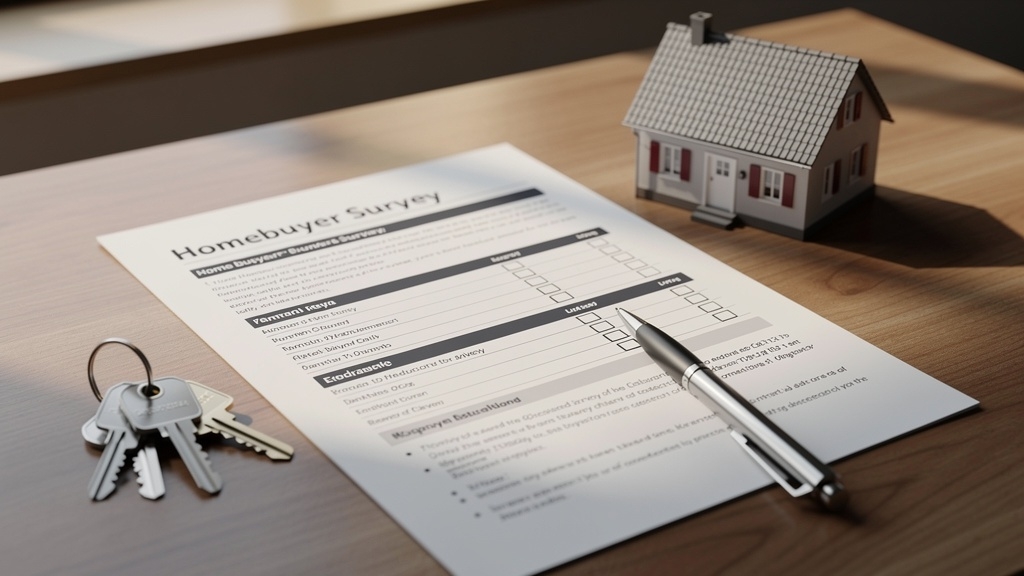
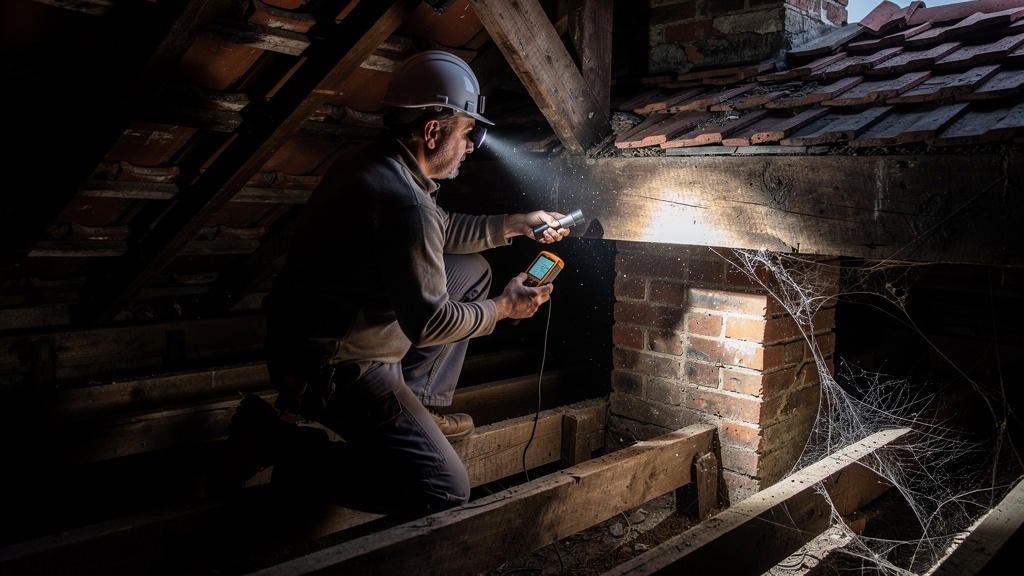
If you own a home in Bristol, damp is one of the biggest risks you face. Surveyors Bristol deals with damp-related enquiries every single week. From rising damp in a Victorian terrace in Bedminster to penetrating damp in a Georgian flat in Clifton, moisture problems are everywhere in our city. This guide walks you through everything you need to know — in plain English.
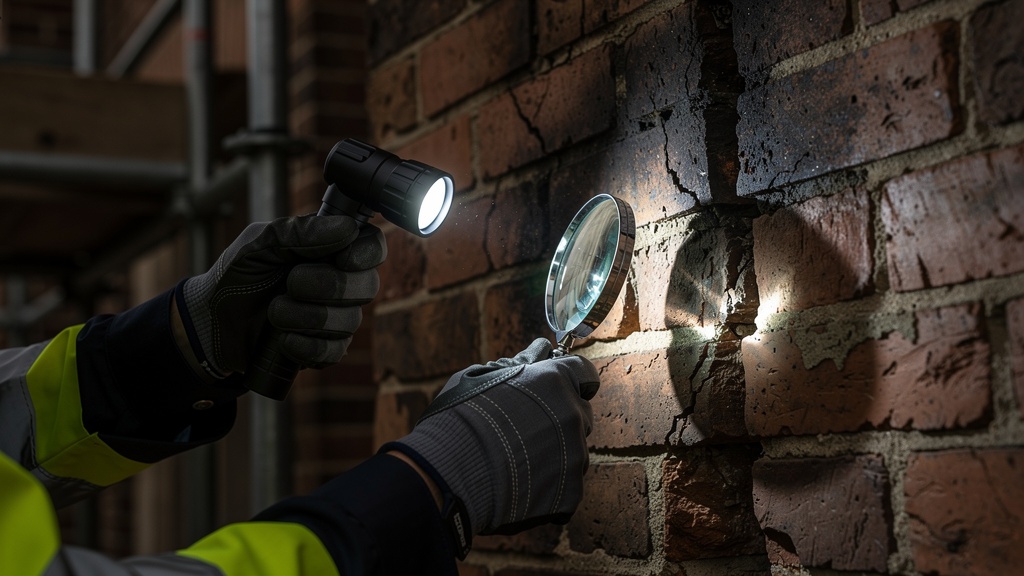
Why Is Damp So Common in Bristol?
Bristol sits on the edge of the Severn Estuary. The city gets around 800 mm of rainfall per year — well above the UK average of 600 mm. Add in the city's large stock of Victorian terraces, Georgian townhouses, and Edwardian semis, and you have the perfect conditions for damp problems.
Older properties were built without the modern damp-proof courses (DPCs) and cavity walls we take for granted today. Many have solid brick walls that absorb moisture like a sponge. Combine that with Bristol's rainy climate, and it's no surprise that damp is a leading concern in our building survey reports.
Key fact: Properties built before 1920 in Bristol are four times more likely to have damp issues than those built after 1980, according to our internal survey data.
The Four Main Types of Damp
Not all damp is the same. Getting the diagnosis right is critical — the wrong treatment can waste thousands of pounds. Here's what our professional surveyors in Bristol look for.
1. Rising Damp
Rising damp occurs when moisture travels up through the walls from the ground. It happens when the damp-proof course (DPC) fails, is bridged, or was never installed in the first place. It typically appears as a "tide mark" on walls, usually no higher than 1 metre above floor level.
Signs to look for: white salt deposits (efflorescence) on the wall surface, peeling plaster or wallpaper at skirting level, and a musty smell in ground-floor rooms. In Bristol's older terrace housing, we often find that DPCs have been bridged by external render or raised garden beds.
2. Penetrating Damp
Penetrating damp enters from outside the building through cracks, failed pointing, damaged render, or leaky gutters and downpipes. It is horizontal, not vertical, and tends to follow the path of water ingress.
Signs to look for: wet patches that appear after heavy rain, staining on external walls, and damp spots that correspond to window frames, roof junctions, or chimney stacks. Bristol's exposed western-facing properties are especially vulnerable.
3. Condensation
Condensation is by far the most common type of damp in Bristol homes today — it accounts for around 80% of all damp complaints. It happens when warm, moist air hits a cold surface. Modern improvements like double glazing and draught-proofing, while energy-efficient, can trap moisture inside if ventilation isn't adequate.
Signs to look for: black mould on walls and ceilings (especially in corners and behind furniture), streaming windows in the morning, and a persistent musty smell. It's particularly common in bathrooms, kitchens, and north-facing bedrooms.
4. Interstitial Condensation
This is condensation that forms within the fabric of the building itself — inside walls, floors, or roofs. It's harder to detect and can cause serious structural damage before any visible signs appear. Thermal imaging cameras are often needed to diagnose it accurately.
How to Tell Damp Apart from Condensation
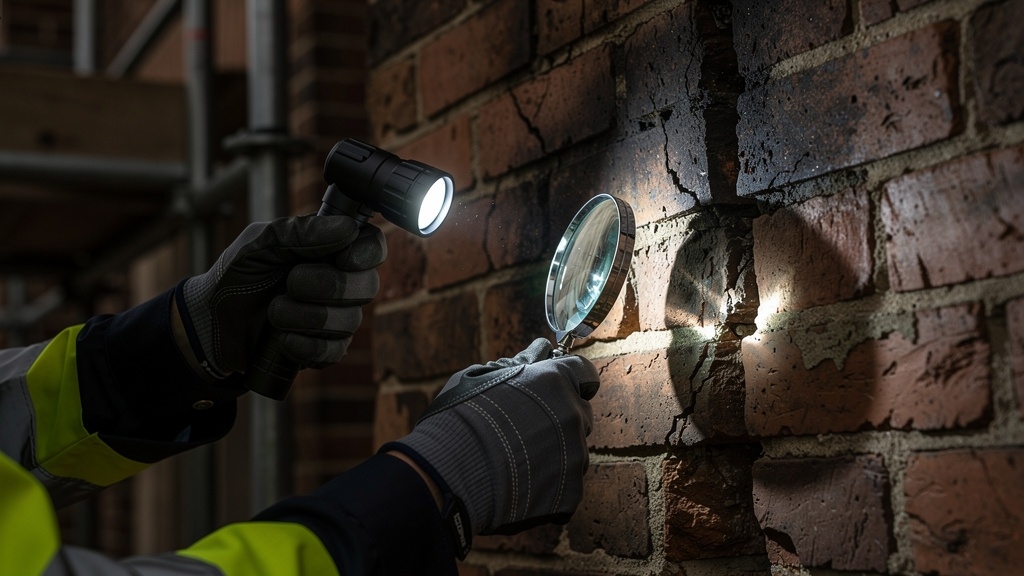
This is one of the most common questions our Surveyors Bristol team gets asked. Many homeowners and even some non-specialist tradespeople confuse the two — with expensive consequences.
| Feature | Damp (Rising or Penetrating) | Condensation |
|---|---|---|
| Location | Ground floor walls, external walls | Bathrooms, kitchens, cold corners |
| Pattern | Tide marks, follows water path | Random, worst in cold spots |
| Time of year | Worse in winter / after rain | Worse in winter (heating on) |
| Mould colour | Brown / orange staining | Black mould on surface |
| Salt deposits | Yes (efflorescence) | No |
| Treatment | DPC injection, repair, waterproofing | Ventilation, dehumidifier, insulation |
Beware: Some damp-proofing companies have a financial incentive to diagnose rising damp even when it's condensation. Always get an independent professional survey from a RICS-registered surveyor before committing to expensive treatment.
Case Study: A Bedminster Victorian Terrace
One of our clients, a first-time buyer in Bedminster, was about to commission £6,000 of damp-proofing injection work recommended by a specialist firm. She asked us to carry out a Level 2 HomeBuyer Survey first.
Our surveyor's inspection found that the "rising damp" was actually penetrating damp caused by a cracked render at ground level and a blocked airbrick preventing sub-floor ventilation. The real fix cost £480 — a repointed plinth and a cleared airbrick. We saved her £5,500 and a lot of disruption.
This kind of independent professional opinion is exactly why we recommend a full building survey before starting any remedial work.
Treatment Options: What Actually Works
The right treatment depends entirely on the correct diagnosis. Here's a summary of the main options our surveyors in Bristol typically recommend.
Damp-Proof Course Injection
A chemical DPC injection creates a water-repellent barrier within the wall. It can be effective for genuine rising damp where the original DPC has failed or was never installed. Modern injection creams are less disruptive than older flood-injection systems and can be applied from inside the property.
Realistic cost: £300–£1,500 per wall, depending on length and access. Guaranteed work typically carries a 10–30 year warranty.
Re-pointing and Render Repair
Failing mortar joints are one of the most common causes of penetrating damp in Bristol's older properties. Re-pointing with a lime mortar appropriate for historic buildings can make a huge difference. Using hard cement mortar on older soft-brick walls can actually make damp worse by trapping moisture inside.
Realistic cost: £200–£2,000+ depending on the extent of the work.
Improved Ventilation
For condensation-related damp, improving airflow is the most cost-effective solution. This can mean installing positive input ventilation (PIV) units, upgrading extractor fans in bathrooms and kitchens, and ensuring airbricks in older solid-floor properties are clear and functional.
Realistic cost: £200–£600 for a PIV unit installed.
Tanking and Waterproofing
For below-ground areas such as cellars and basements, tanking with a cementitious or waterproof membrane system can be the right solution. It's common in Bristol's Clifton and Redland properties where basement conversions are popular.
Realistic cost: £4,000–£10,000+ for a full basement tanking system.
What Happens During a Professional Damp Survey?
When our Surveyors Bristol team carries out a damp investigation, we follow a thorough, independent process:
- Visual inspection — checking all walls, floors, and ceilings for signs of moisture, staining, and mould.
- Moisture meter readings — non-invasive and invasive readings taken at multiple points to map moisture distribution.
- Thermal imaging — infrared cameras reveal cold spots and hidden moisture that ordinary inspection misses.
- Sub-floor inspection — checking ventilation under suspended timber floors, a frequent source of damp in Bristol's terraced houses.
- External inspection — examining gutters, downpipes, render, pointing, and ground levels around the property.
- Detailed written report — with photographs, severity ratings, and prioritised recommendations.

DIY vs Professional Damp Investigation: What's Safe?
There are some things you can do yourself to monitor damp. Buying a consumer moisture meter (£15–£50) allows you to check wall readings over time. Keeping a record of when and where damp appears helps establish a pattern. These are useful first steps.
However, professional investigation is essential before spending money on treatment. The reason is simple: the wrong diagnosis leads to the wrong treatment, wasted money, and — in some cases — making the problem worse. A qualified RICS surveyor provides an independent, warranty-backed assessment with no conflict of interest.
Preventing Damp: Long-Term Strategies
Prevention is always cheaper than cure. Here are the measures our team recommends most often to Bristol homeowners:
- Keep gutters and downpipes clear — blocked gutters are a leading cause of penetrating damp. Clean them twice a year.
- Check external render and pointing — even small cracks allow significant water ingress in Bristol's rainy winters.
- Maintain ground levels — never allow soil or paving to cover the DPC or airbricks at the base of your walls.
- Ventilate properly — use extractor fans when cooking and bathing, and leave trickle vents open on double-glazed windows.
- Heat consistently — keeping rooms at a stable temperature prevents the cold spots that cause condensation.
- Inspect your loft — poor loft insulation causes cold roof timbers and interstitial condensation. Check annually.
How Damp Affects Property Values in Bristol
Untreated damp has a significant impact on property values. Our experience in the Bristol market suggests that active damp problems reduce perceived value by 5–30%, depending on severity. More importantly, damp flagged in a survey can cause mortgage lenders to withhold funds or require specialist reports before proceeding.
If you're selling a property in Bristol, addressing damp issues before listing is almost always worth the cost. A clean survey report removes buyer uncertainty and protects your asking price. Learn more in our article on buying a Victorian terrace in Bristol.
Frequently Asked Questions About Damp in Bristol Homes
Worried About Damp in Your Bristol Home?
Our RICS-qualified surveyors provide independent, honest damp assessments with no obligation to buy treatment from us. Get the right diagnosis first.
Book a Damp Survey
James has 18 years of experience surveying properties across Bristol and the surrounding counties. He specialises in Victorian and Georgian period buildings and has investigated hundreds of damp-related cases.
Continue reading: Level 2 vs Level 3 Surveys in Bristol — Which Do You Need? | Surveying Historic Buildings in Bristol | View All Our Survey Services